
Age-Related Changes in Men: What to Expect
After 40, your body goes through natural changes. Your erection may not be as stable as before. Your energy levels might fluctuate. This is normal. Understanding these changes is the first step toward maintaining your sexual health and overall well-being.
Common Signs of Age-Related Changes in Men
Many men after 40 begin noticing subtle shifts in their bodies. These are natural processes, not reasons for alarm. Recognizing these signs helps you take proactive steps toward maintaining your health.
Erectile Changes
Your erection may become less firm or take longer to achieve. The stability and duration of erections can vary more than they did in your 20s and 30s. These fluctuations are often influenced by stress, sleep, and overall lifestyle habits.
Lower Energy Levels
Men often report feeling more fatigued, particularly after physical exertion. Your body may need more recovery time. Morning energy that was once automatic may now require intentional rest and proper sleep patterns to restore.
Mood & Motivation Shifts
Hormonal changes can affect motivation and mood. You might notice less spontaneous desire or feel emotionally flat at times. These shifts are connected to testosterone levels, sleep quality, and overall stress accumulation.
Sleep Disruptions
Falling asleep or staying asleep may become harder. You might wake during the night or feel unrefreshed after sleep. Poor sleep directly impacts erectile function, hormone production, and overall sexual health.
Urinary Changes
You may notice increased urinary frequency, especially at night. These changes are often related to prostate health. Maintaining proper hydration and monitoring these patterns helps you understand your body better.
Physical Recovery Slower
Your muscles may feel sorer after workouts, and recovery takes longer. This is partly due to hormonal changes and reduced muscle protein synthesis. Adequate rest and proper nutrition become increasingly important.
How Lifestyle Factors Influence Men's Sexual Health
Your daily habits—sleep, exercise, diet, and stress management—have profound effects on erectile stability, energy, and overall masculine vitality. After 40, these factors become even more critical.
Sleep & Recovery: The Foundation of Men's Health
Sleep is not a luxury—it is essential. During deep sleep, your body produces testosterone, repairs muscle tissue, and restores mental clarity. Men who sleep 7–9 hours consistently report better erectile function, higher energy, and improved mood. When sleep is disrupted, cortisol (stress hormone) rises, testosterone drops, and erectile instability often follows.
Sleep deprivation accumulates over time. Three nights of poor sleep can noticeably impact your performance and mood. By your 40s, your sleep architecture changes naturally—you spend less time in deep, restorative stages. Creating conditions for quality sleep becomes even more important.
- Keep a consistent schedule: Go to bed and wake at the same time daily, even weekends.
- Optimize your bedroom: Dark, cool (around 65–68°F), and quiet environments promote better sleep.
- Limit evening stimulants: Reduce caffeine after 2 PM and avoid heavy meals 3 hours before bed.
- Screen time matters: Blue light from phones and tablets can suppress melatonin; avoid screens 30–60 minutes before bed.

Stress & Its Silent Impact on Sexual Function
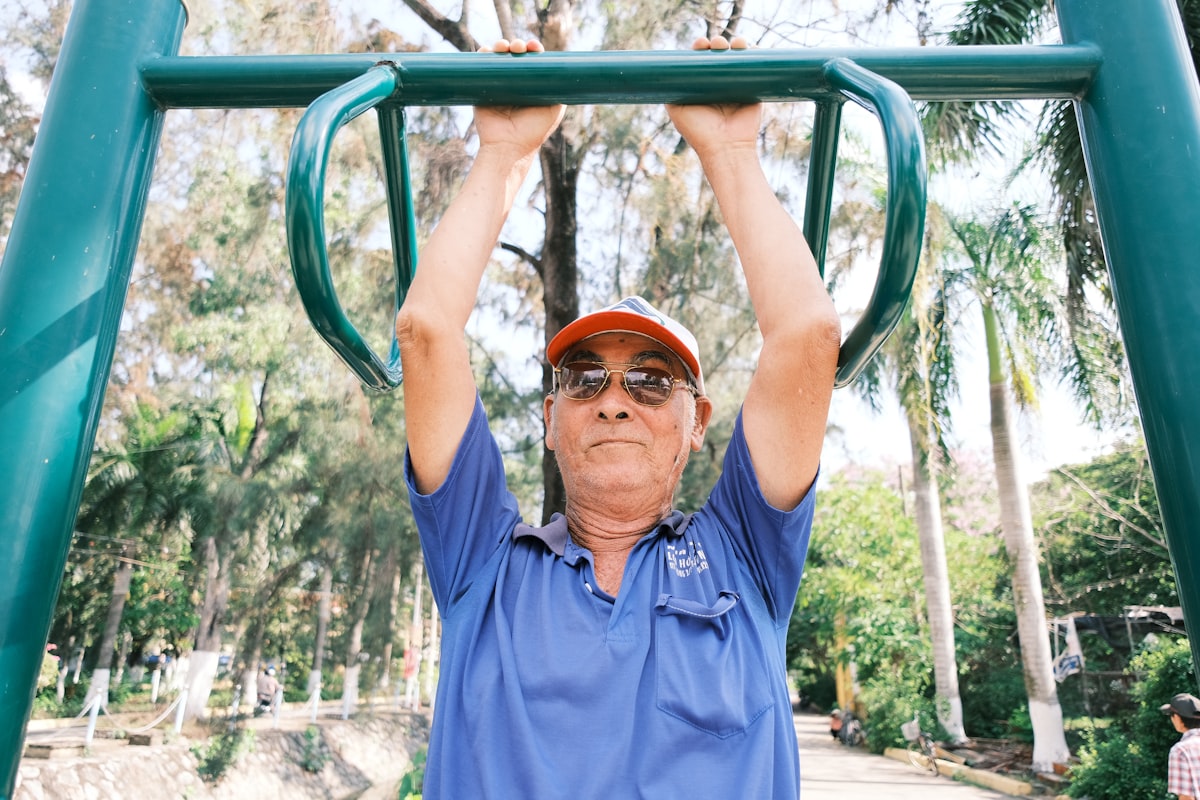
Chronic stress is one of the most underestimated factors affecting erectile stability and sexual health in men over 40. When you are stressed, your nervous system is in "fight or flight" mode—the exact opposite of the relaxed state needed for arousal and erection. Elevated cortisol not only suppresses testosterone but also constricts blood vessels, reducing blood flow to the penis.
Work pressure, relationship concerns, financial worries, and health anxiety all accumulate. By 40, many men carry years of accumulated stress in their bodies. This persistent tension reduces sexual desire, makes it harder to maintain erections, and often creates performance anxiety that worsens the problem.
- Practice daily breathing: Just 5–10 minutes of deep breathing activates your parasympathetic nervous system.
- Meditate or practice mindfulness: Regular meditation reduces cortisol and improves emotional resilience.
- Exercise regularly: Physical activity burns stress hormones and boosts mood-elevating endorphins.
- Set boundaries: Limit work emails after hours and protect time for relaxation with loved ones.
Physical Activity: The Cornerstone of Male Sexual Health
Regular physical activity is one of the most evidence-backed interventions for maintaining erectile stability and sexual performance as you age. Exercise improves cardiovascular health, increases nitric oxide production (which dilates blood vessels), boosts testosterone, and enhances mood. Men who exercise regularly report better erection quality, higher sexual satisfaction, and greater overall confidence.
After 40, a sedentary lifestyle accelerates the decline in erectile function. Conversely, men who remain active often maintain sexual capability well into their 60s and beyond. You don't need to become an athlete—consistent, moderate activity is key. The combination of cardiovascular work and strength training yields the best results.
- Cardio 3–5 times weekly: 30 minutes of brisk walking, cycling, swimming, or jogging improves heart health and blood flow.
- Resistance training 2–3 times weekly: Lifting weights or bodyweight exercises preserve muscle mass and boost testosterone.
- Pelvic floor exercises: Kegel exercises strengthen the PC muscle, improving erection hardness and control.
- Stay active daily: Walking, taking stairs, and standing breaks reduce sitting time and improve metabolic health.

Nutrition & Diet: Fueling Sexual Vitality After 40
What you eat directly impacts your cardiovascular system, blood flow, hormone production, and sexual performance. Smart nutrition choices compound over time, supporting stable erections and sustained male energy.
Foods That Support Erectile Health
Certain foods are particularly beneficial for men's sexual health. They improve blood flow, reduce inflammation, and support hormone production. A Mediterranean-style diet—rich in vegetables, fish, whole grains, and olive oil—is associated with better erectile function and lower risk of cardiovascular disease.
Focus on foods high in antioxidants, omega-3 fatty acids, and nitrates. These nutrients support endothelial function (the inner lining of blood vessels), which is critical for the vasodilation needed for erections. Avoiding processed foods, excess sugar, and heavy saturated fats protects your cardiovascular system and sexual performance.
Top Foods for Male Sexual Health:
- Dark leafy greens (spinach, kale, arugula): High in nitrates that improve blood flow.
- Fatty fish (salmon, mackerel, sardines): Omega-3 fatty acids reduce inflammation and support heart health.
- Dark chocolate (70% cacao or higher): Contains phenylethylamine and serotonin precursors that enhance mood and arousal.
- Watermelon & citrus: Citrulline converts to arginine, supporting nitric oxide production for better erections.
- Nuts & seeds (almonds, walnuts, pumpkin seeds): Contain arginine, zinc, and healthy fats for sexual function.
- Garlic & onions: Contain compounds that improve blood circulation and sexual response.
- Berries (blueberries, strawberries, blackberries): Packed with antioxidants that protect blood vessels.
- Red wine (in moderation): Resveratrol supports blood vessel health; limit to 1 glass daily.
Hydration Matters
Many men are chronically dehydrated. Even mild dehydration reduces blood volume, making it harder to achieve firm erections. Aim for 2–3 liters of water daily. Proper hydration also supports kidney and prostate health, and helps flush toxins from the urinary system. Consider water your male sexual health ally.
Foods & Habits to Limit
Just as certain foods support sexual health, others actively harm it. A diet high in processed foods, refined carbohydrates, and unhealthy fats promotes inflammation, damages blood vessels, and increases your risk of erectile dysfunction. By 40, the cumulative damage from poor diet becomes increasingly visible in sexual performance.
Excess alcohol, high sodium intake, and trans fats all constrict blood vessels and worsen erectile stability. Smoking is particularly damaging—it directly damages the endothelium and reduces nitric oxide availability. These habits are negotiable—your sexual health is literally in your hands.
Reduce or Avoid:
- Processed foods & fast food: High in sodium, trans fats, and refined sugars that damage blood vessels.
- Sugary drinks & excess sugar: Contribute to insulin resistance and endothelial dysfunction.
- Excess alcohol: More than 1–2 drinks daily reduces testosterone and impairs erectile response.
- Smoking: Directly damages blood vessels and eliminates sexual capability over time.
- High-sodium processed foods: Elevate blood pressure, reducing arterial flexibility.
Restoring Male Energy & Vitality After 40
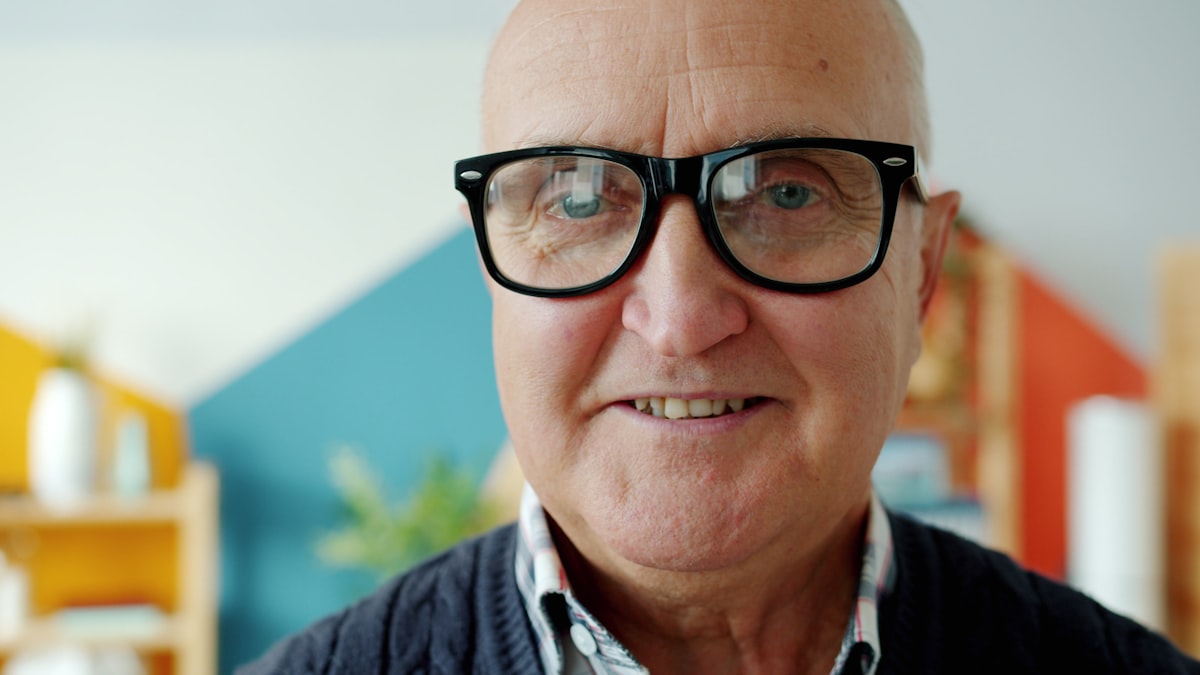
Male energy is not just sexual—it's physical, mental, and emotional vitality. Many men feel a gradual decline starting in their 40s. This energy loss is often reversible through intentional daily habits.
Morning Sunlight
Expose yourself to bright sunlight within 30 minutes of waking. This regulates circadian rhythm, boosts cortisol naturally, and improves testosterone production. Just 10–15 minutes makes a difference.
Cold Exposure
Brief cold showers (30–60 seconds) or cold water immersion improve circulation, boost norepinephrine (mood and alertness), and increase resilience. Start with cold water on your legs and gradually include your entire body.
Movement & Exercise
Even 20–30 minutes of moderate activity daily elevates testosterone, improves mood, and boosts energy. Combine cardio and strength work. Exercise is as essential as sleep for male vitality.
Protein Intake
Adequate protein (0.7–1g per pound of body weight) supports muscle maintenance, hormone production, and sustained energy. Protein stabilizes blood sugar and prevents the mid-afternoon energy crash.
The Energy Cycle: Small Changes Compound
Male energy follows a cycle. When you sleep well, you have more energy for exercise. Exercise improves sleep quality. Better sleep boosts testosterone and libido. More confidence and sexual satisfaction improve mood, which reduces stress and allows better sleep. This positive cycle is self-reinforcing. Conversely, poor sleep leads to low energy, less exercise, worse sleep, and declining sexual function.
You only need to break into the positive cycle at one point. Many men find that prioritizing sleep for one week creates enough energy improvement to motivate exercise, which then improves sleep further. Within 2–4 weeks, significant improvements in erectile stability, energy, and overall confidence emerge.
Prostate Health & Urinary Comfort in Aging Men
The prostate naturally enlarges as men age. This can affect urinary frequency, flow, and comfort. Understanding prostate health is essential for overall well-being and sexual health after 40.
What Happens to the Prostate After 40
The prostate is a small gland (about the size of a walnut) that produces fluid for semen. After 40, the prostate often begins to enlarge—a condition called benign prostatic hyperplasia (BPH). This is a normal aging process, not a disease. As the prostate grows, it can compress the urethra (the tube that carries urine), leading to changes in urinary patterns.
Common changes include needing to urinate more frequently, especially at night (nocturia), weaker urine stream, difficulty starting urination, or feeling like you haven't fully emptied your bladder. These are not signs of disease—they are natural prostate aging. However, maintaining prostate health supports both urinary comfort and sexual function.
Supporting Prostate Health:
- Lycopene-rich foods: Tomatoes, watermelon, and pink grapefruit contain lycopene, which supports prostate health.
- Zinc & selenium: Found in seeds, nuts, and lean meats; essential for prostate function.
- Regular exercise: Physical activity reduces inflammation and supports prostate health.
- Limit red meat & dairy: High consumption is associated with prostate enlargement; opt for fish instead.
- Stay hydrated: Proper hydration supports urinary health; spread fluid intake throughout the day, limit before bed.
- Regular ejaculation: Frequent sexual activity or ejaculation supports prostate health and comfort.
When to Seek Professional Guidance
While urinary changes are normal, sudden onset of symptoms, persistent difficulty urinating, blood in urine, or pain requires medical evaluation. A healthcare provider can assess your prostate health and rule out any underlying conditions. Regular check-ups and prostate screening (PSA tests, digital rectal exams) are recommended starting at 40–50, depending on your health risk factors.
This is not a self-diagnosis situation—professional assessment is important. However, the lifestyle changes mentioned here support prostate health for all men and complement any medical care.
Daily Habits for Better Sexual Health & Male Energy
Big changes come from small, daily decisions. These habits are simple, evidence-backed, and designed to compound over weeks and months.
Morning Sunlight (10-15 min)
Expose yourself to sunlight within the first hour of waking. This regulates circadian rhythms, boosts testosterone, and improves mental clarity.
Best time: 6-8 AM
Hydration Protocol
Drink 3-4 liters of water daily. Proper hydration improves blood flow, energy levels, and sexual performance.
Tip: Start with 500ml upon waking
Movement & Exercise (30 min)
Daily movement—walking, strength training, or cardio—increases testosterone and improves cardiovascular health for better performance.
Focus: Compound exercises
Nutrient-Dense Meals
Eat zinc-rich foods (oysters, beef, pumpkin seeds), omega-3s (salmon, walnuts), and antioxidants (berries, dark chocolate).
Foundation: Whole foods only
Sleep Optimization (7-9 hours)
Quality sleep is where testosterone is produced and sexual function is restored. Dark room, cool temperature, no screens 1 hour before bed.
Ritual: Bedtime at 10-11 PM
Stress Management (10 min)
Practice breathwork, meditation, or journaling daily. Chronic stress kills testosterone and sexual desire.
Method: Box breathing or 4-7-8 technique
What to Expect: Your 90-Day Transformation
Real change takes time. Here's what our members typically experience at each milestone.
Week 1–2
- More energy in the mornings
- Better sleep quality
- Clearer mental focus
- Reduced brain fog
Week 3–4
- Improved mood & confidence
- Increased libido
- Better gym performance
- More stable energy levels
Month 2
- Noticeable muscle gains
- Improved sexual function
- Lasting energy throughout day
- Better stress resilience
Month 3
- Transformed confidence
- Peak sexual performance
- Visible physique changes
- Complete lifestyle reset
Important Note: Results vary by individual based on starting point, commitment level, and adherence to the program. Most dramatic changes occur between weeks 3-8.