
+47 33 12 84 50 [email protected]
UERSTATTELIG AS • Org.nr 937 120 850 • Tønsberg, Norway
Vitaldrive Logo
Human Kinematics & Motion Science

Precision Biomechanics for Athletic Longevity & Stride Economy

Vitaldrive is an independent research collective dedicated to analyzing the physical mechanics of endurance movement. We publish peer-reviewed studies on running gait, kinetic chain integrity, cycling ergonomics, and ground reaction force absorption.

High-speed optical motion capture analysis in athletic biomechanics laboratory
120+
Gait Trials
3D Vicon
Kinematic Tracking
100%
Open Science

Evidence-Based Motion Dynamics

Our lab investigates the intersection of skeletal mechanics, neuromuscular cadence control, and ergonomic energy transfer.
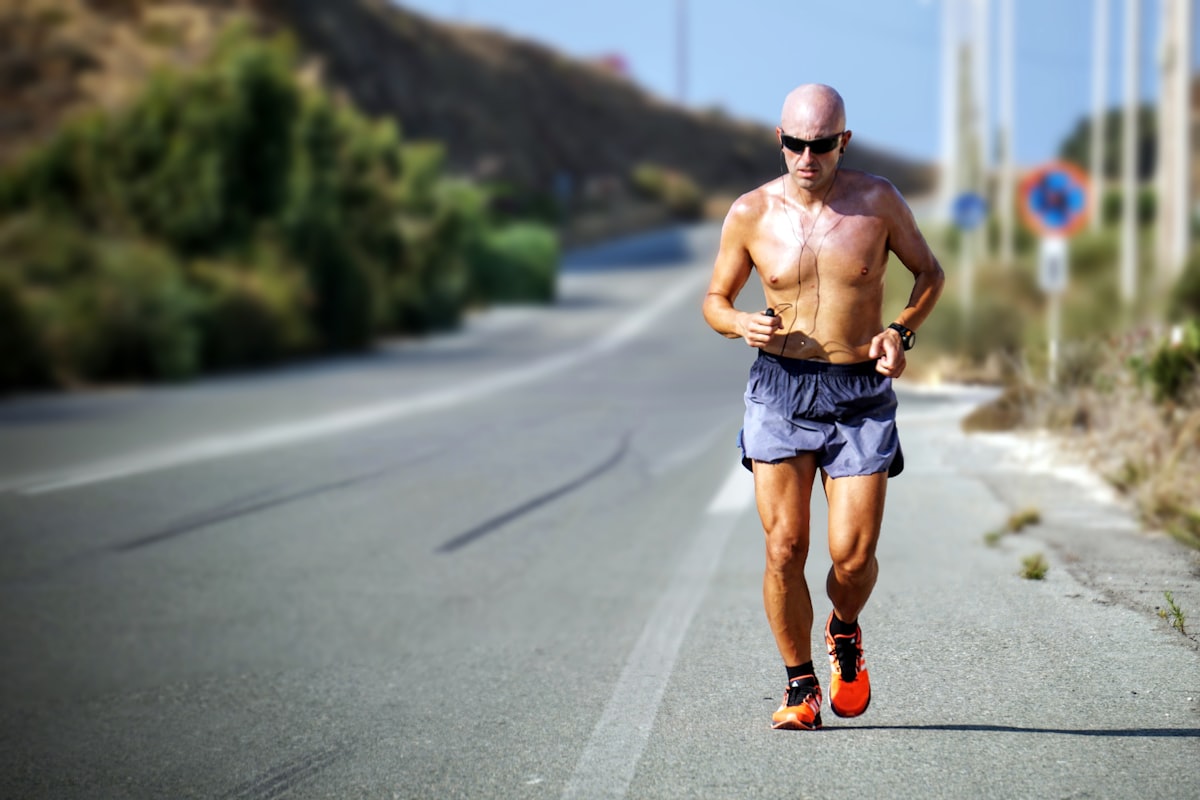
Running gait kinematics and angular velocity mapping Kinematics
Biomechanical Review

Angular Joint Velocity & Stride Symmetry

Quantifying sagittal plane hip extension angles and knee flexion velocity to prevent mechanical inefficiencies in long-distance runners.
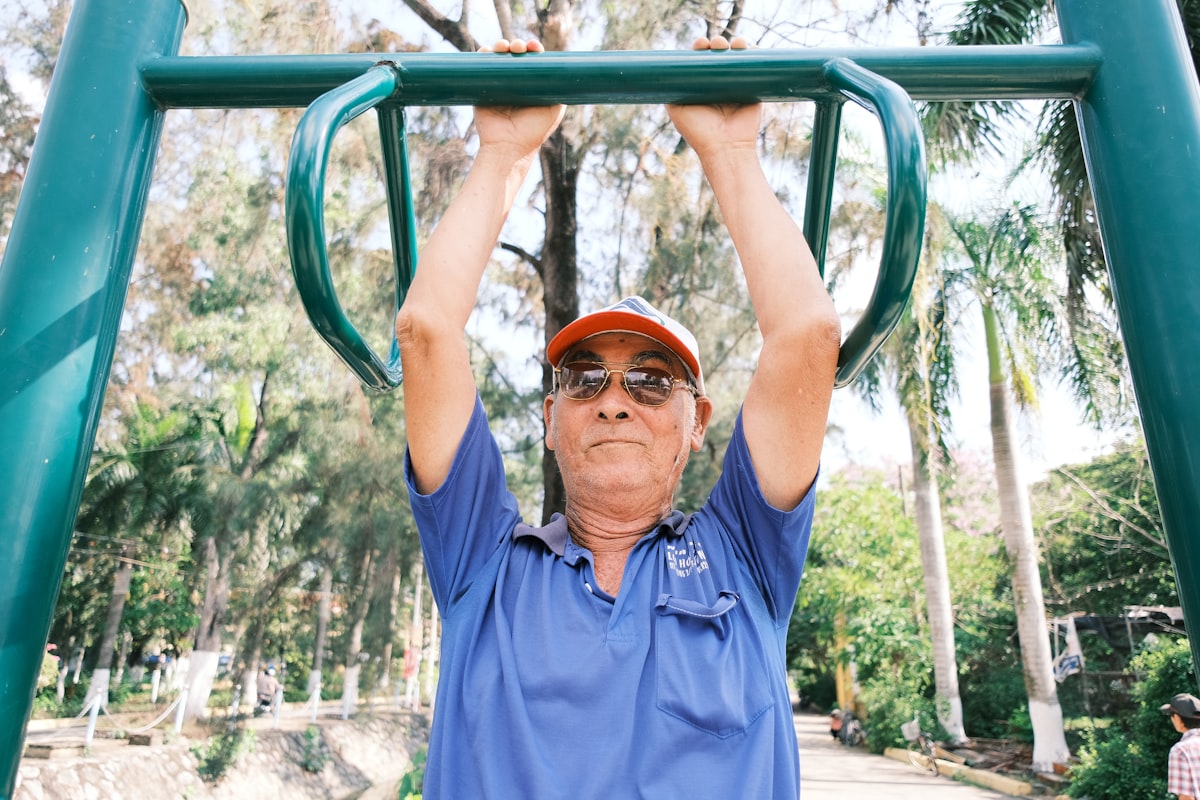
Metabolic oxygen economy and power profiling Physiology
Ergonomic Trial

Metabolic Cost of Stride Frequency

Analyzing oxygen uptake kinetics across varying cadences (160 to 195 SPM) to pinpoint individual running economy sweet spots.
Pedal stroke analysis and crank length ergonomics Ergonomics
Mechanical Study

Crank Arm Length & Hip Impingement

Evaluating how shorter crank lengths (160mm vs 175mm) open hip angles and maintain sustained threshold power output.

Athletic Cadence & Stride Economy Calculator

Calculate your predicted optimal step rate, estimated ground contact time, and biomechanical stride efficiency.

Recommended Target Cadence
180 SPM

Optimizing cadence reduces peak vertical oscillation and ground impact forces on the patellofemoral and Achilles structures.

Estimated Stride Length
1.25 m
Ground Contact Time
232 ms
Biomechanical Efficiency
91%
Vertical Load Impact
Optimal
Motion capture force plate laboratory instrumentation

High-Frequency Kinematic Acquisition

Our research workflows deploy multi-axis Bertec force plates coupled with synchronized 240Hz infrared camera rigs. By measuring the resultant 3D Ground Reaction Force (GRF) vectors alongside joint moments, our team isolates kinetic inefficiencies with mathematical rigor.

  • Dynamic Braking Force Isolation
  • Plantar Pressure Distribution Mapping
  • Open-Access Data & Peer-Reviewed Standards
Learn About Our Lab

Biomechanics & Research Standards

Key scientific principles regarding running economy, gait retraining, and laboratory trials.

Why is step rate (cadence) central to running injury prevention?
Increasing step frequency by 5% to 10% without altering running speed shortens the step length, landing the foot closer to the body's center of mass. This reduces peak vertical impact forces, lowers energy absorption at the knee joint, and reduces mechanical braking forces.
How does Vitaldrive conduct peer-reviewed motion research?
All trials are reviewed by an independent editorial panel comprising sports biomechanists, exercise physiologists, and kinematic engineers. Methodologies follow standardized protocols for optical motion capture and force plate calibration.
Is Vitaldrive an academic laboratory or commercial product seller?
Vitaldrive is strictly an independent educational and scientific publication portal operated by UERSTATTELIG AS in Tønsberg, Norway. We do not sell footwear, hardware, or consumer products.
Can independent researchers submit datasets for review?
Yes. We welcome submissions of kinematic datasets and ergonomic study protocols aligned with our editorial charter. Inquiries can be submitted directly through our contact desk.

Research Desk Inquiry

Reach out to our biomechanics editorial panel for methodology questions, dataset submissions, or academic inquiries.